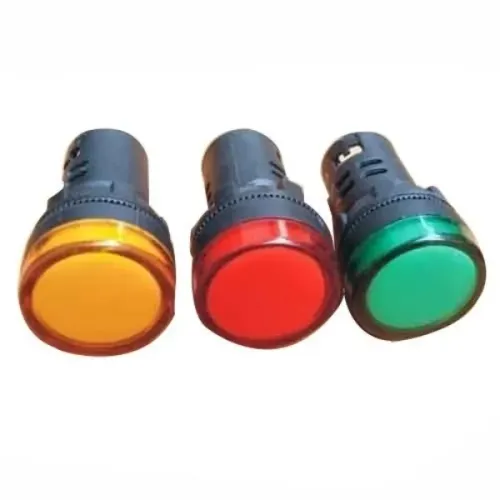

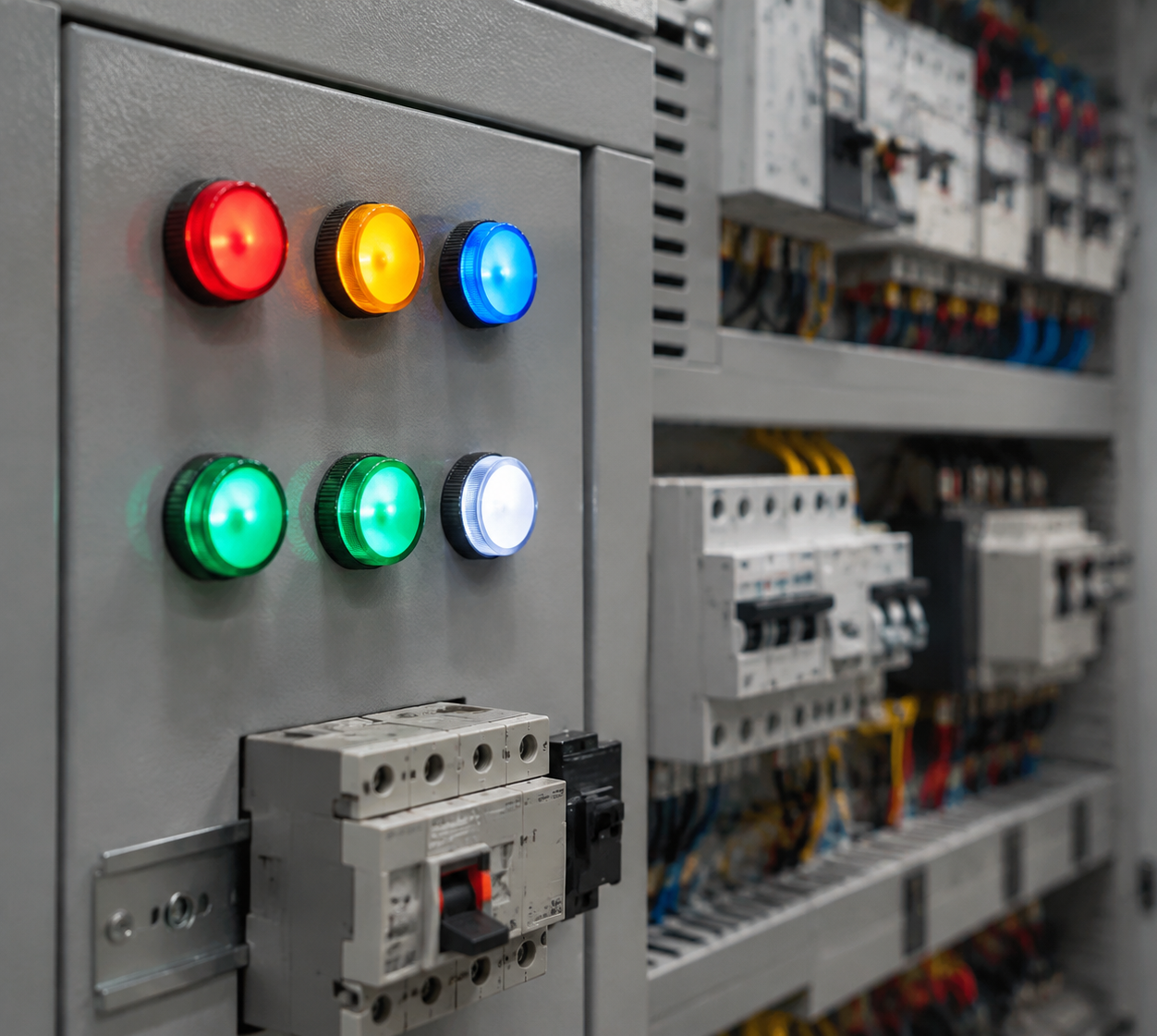
Indication lamps play a vital role in electrical panels by providing instant visual information about the operating status of machines, circuits, and equipment. Whether installed in industrial control panels, commercial electrical systems, or manufacturing facilities, these compact components help operators identify power availability, fault conditions, and process status within seconds. Selecting the right indication lamps improves operational safety, minimizes downtime, and simplifies maintenance.
Understanding the Purpose of Indication Lamps
An indication lamp is designed to display the current status of an electrical circuit through colored illumination. Different colors communicate different operating conditions, allowing technicians to recognize system performance without opening the panel.
Common applications include:
- Power distribution panels
- Industrial automation systems
- Motor control centers
- Solar power installations
- Machine control panels
- Building management systems
Across Delhi, electrical contractors working on commercial developments increasingly rely on high-quality indication lamps to improve safety standards and maintenance efficiency.
Common Color Meanings
Although standards may vary between industries, the following color codes are widely used:
- Red indicates fault, emergency, or shutdown.
- Green represents normal operation or healthy system status.
- Yellow signals caution or standby mode.
- Blue identifies special operational functions.
- White is commonly used for power availability or general indication.
Maintaining consistent color usage across an electrical installation reduces confusion during troubleshooting.
Features Worth Considering
Quality indication lamps should offer dependable performance throughout demanding operating conditions.
Important features include:
- Bright illumination for easy visibility
- Long service life
- Low power consumption
- Heat-resistant construction
- Vibration resistance
- Easy installation
- Reliable electrical contacts
These characteristics contribute to stable performance in industrial environments where continuous operation is essential.
Selecting the Correct Voltage Rating
One of the most important purchasing considerations is compatibility with the system voltage.
Typical operating voltages include:
- 12V
- 24V
- 48V
- 110V
- 220V
- 415V
Installing an incorrect voltage rating may reduce lamp life or result in improper operation. Contractors should always verify panel specifications before selecting a component.
Installation Tips
Proper installation extends component life while ensuring dependable performance.
Recommended practices include:
- Confirm voltage compatibility.
- Tighten mounting hardware securely.
- Protect wiring from excessive vibration.
- Use suitable cable management.
- Test lamp functionality before commissioning the panel.
Routine inspections can also identify loose connections before they affect equipment performance.
Benefits for Industrial Facilities
Modern manufacturing environments depend on clear equipment communication. Properly selected indication lamps offer several operational advantages.
Benefits include:
- Faster fault identification
- Improved workplace safety
- Reduced maintenance time
- Better process monitoring
- Enhanced operator confidence
- Simplified troubleshooting
- Lower operational interruptions
These advantages become particularly valuable in factories where multiple control panels operate simultaneously.
Applications Across Industries
Indication lamps support a wide range of industries, including:
- Power generation
- Renewable energy
- Water treatment
- Pharmaceutical manufacturing
- Food processing
- Textile production
- Commercial infrastructure
- Industrial automation
As infrastructure projects continue to expand throughout Delhi, dependable panel accessories remain essential for maintaining safe electrical installations.
Manufacturers such as Yueqing Growmore Electric Co supply indication lamps designed for demanding industrial environments. Their product range supports panel builders, electrical contractors, automation companies, and OEMs looking for dependable electrical components. Buyers frequently evaluate product specifications through the company's website before finalizing sourcing decisions for domestic and export projects.
Choosing reliable indication lamps is a practical investment that improves visibility, enhances operational safety, and supports efficient maintenance throughout the life of an electrical system.